Harvard MD/PhD x Plastic Surgery
Ask for help. Choose mentors who care about you as a person, not just as free labor. And don't be afraid of detours.
What actually matters on the way to residency
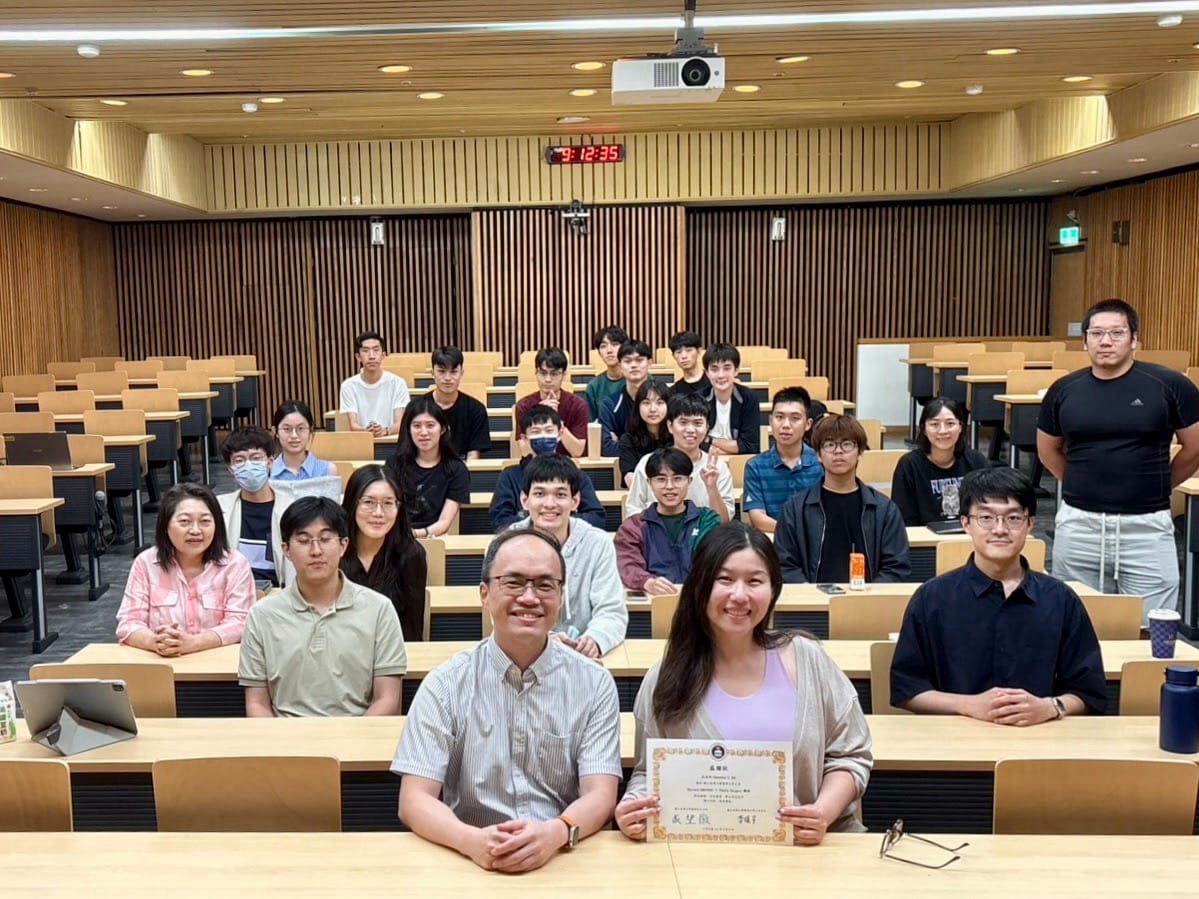
Dr. Ma spent a night on May 6th, 2026 with the NTU Medical Student Association walking through her MD-PhD timeline at Harvard and how she matched into plastic and reconstructive surgery. If you're trying to figure out your own path, here is a summary of her talk from our notes.
This article is an AI-assisted summary based on live notes taken during Dr. Ma’s talk and is not a verbatim transcript or recording. Certain passages have been condensed, paraphrased, or edited, and may not fully reflect the speaker’s original wording or intended emphasis.
The detours are fine
I came into college thinking I would do neurology or emergency medicine. I had an art background and did some humanities at Yale, but those weren't the point of my talk and they aren't the point of this post. The only reason I mention them is to say this: I took zero science classes my freshman year. I read the Western canon instead. At the time it felt like a detour, but it gave me something real to say in interviews later. Admissions committees remember people who don't look identical to everyone else. The detours are fine. Just have a story.
I also spent a year in Taipei on Yale's Light Fellowship, studying Chinese at NTU. That was eight years ago. I barely remember the language now, embarrassingly, but that year connected me to people I still work with. Dr. Lin, who I met years later in Boston, once spent his lunch breaks teaching me deep dermal sutures during OR downtime. Those small moments stack up.
The money question
MSTP MD-PhD programs in the U.S. are fully funded by the NIH. That matters in the U.S., where medical students graduate with crushing debt. Only a handful of programs take international students. Harvard is one, but the politics are getting harder, not easier. If you're thinking about it, you can always matriculate MD-only and affiliate into the PhD track later if you find a PI and funding.
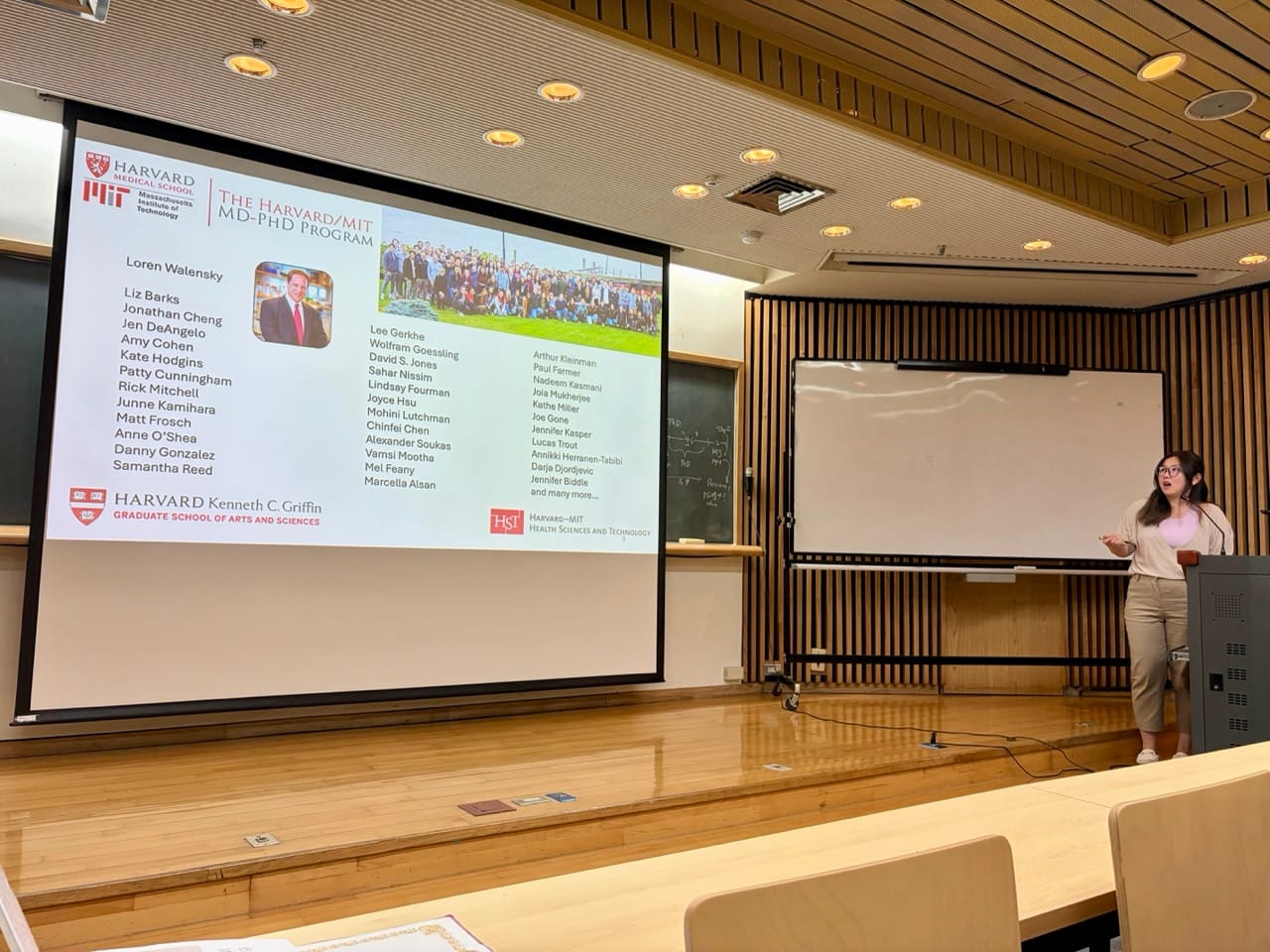
I ended up in Harvard's HST track, the joint Harvard-MIT program. It was old school: extensive anatomy, live animal labs, Nobel laureates teaching from slides they hadn't updated in twenty years.
The timeline that actually happened
Fall 2018: Started at Harvard Medical School. I thought I'd apply neurology, internal medicine, maybe neurosurgery.
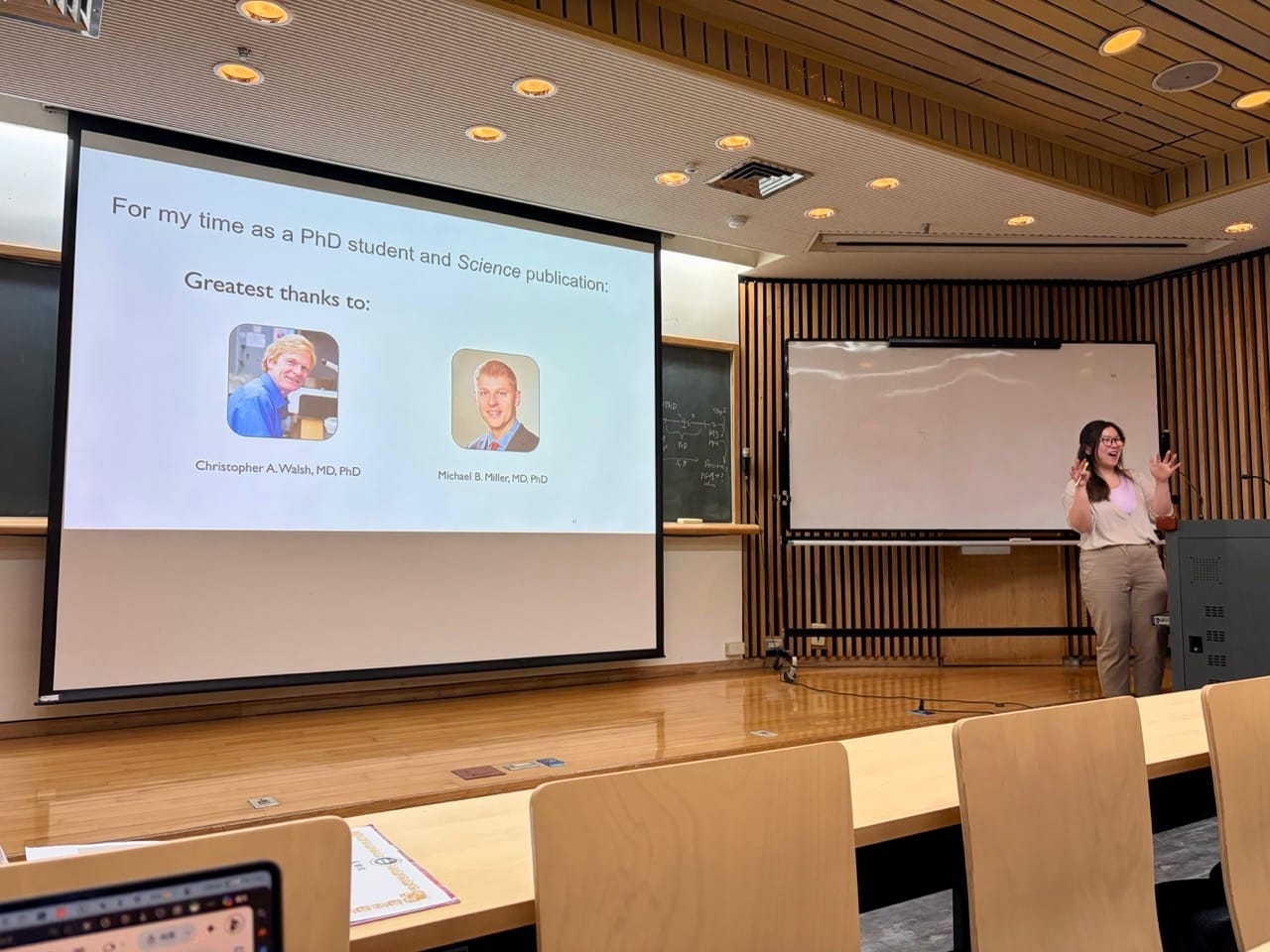
Fall 2020: Started my PhD in the Walsh Lab, studying neurodegeneration. Four years later I defended, then jumped straight back into third-year clinical rotations.
Fall 2024: Surgery rotation, day one. I was on surgical oncology with a breast surgeon. I watched him hold the bovie like a pencil. The cuts looked like drawing. I'd been painting my whole life. I realized I knew what I was doing with my hands. I decided on day one I was going to be a surgeon. I did plastics at BIDMC, then ENT, committed to plastic surgery by spring 2025.
Summer 2025: Sub-internships at BIDMC and MGH, then away rotations at UCSF, UCLA, and University of Washington. Submitted my application in September with letters from Dr. Bernie Lee, Dr. Dhruv Singhal, and Dr. Eberlin. Matched in March 2026.
Mentors make or break you
This was the single most important thing I wanted the NTU Medical Student Association to hear. Not your grades. Not your publication count. Your mentors.
My undergraduate PI wrote me a letter for MD-PhD programs that made me cry when I read it. That letter is a big reason I got into Harvard. Dr. Walsh walked me through every step of every experiment during my PhD. Dr. Lee, who I was terrified of the first time I met him in the OR, became my biggest advocate. I don't think I would have matched without him. These people gave me their time when they didn't have to.
When you're choosing a lab, look at whether the PI has a track record of students graduating on time and succeeding afterward. Ask current students privately what it's really like. If they hesitate, that's your answer.
The soft stuff is the hard stuff
After I matched, I realized my mom was right: none of the things I stressed about mattered very much. But interpersonal skills mattered enormously.
I served as President of the Harvard Graduate Council. People notice everything: not just your grades or your papers, but whether you show up, whether you're kind, whether you're someone people want to be around at 3 a.m. when everything is going wrong.
Research is about environment, not just topic
Someone asked tonight how I got through tedious research without feeling like a robot. Honestly, I never felt that way in the lab. My hardest days were during clinical rotations, not the PhD. I was getting up at 4:30 a.m. for sub-internships, taking call every third day, sometimes going home at 11 p.m.
My PhD lab was supportive. Our PI never forced unreasonable hours. I took lab meetings from bed sometimes. Other labs had PIs who required face time at 9 a.m. regardless of whether experiments were running. Environment matters more than project. Pick the lab where people are treated well.
My PhD in neurodegeneration has nothing to do with plastic surgery on the surface. You don't need to know your final specialty when you pick your PhD lab. You just need to learn how to think like a scientist. You can always connect the dots backward.
What to take away
Ask for help. Choose mentors who care about you as a person, not just as free labor. And don't be afraid of detours — a year in Taipei, a humanities class, a lab that doesn't seem perfectly aligned with your future specialty. Those detours might end up being the very things that differentiate you.
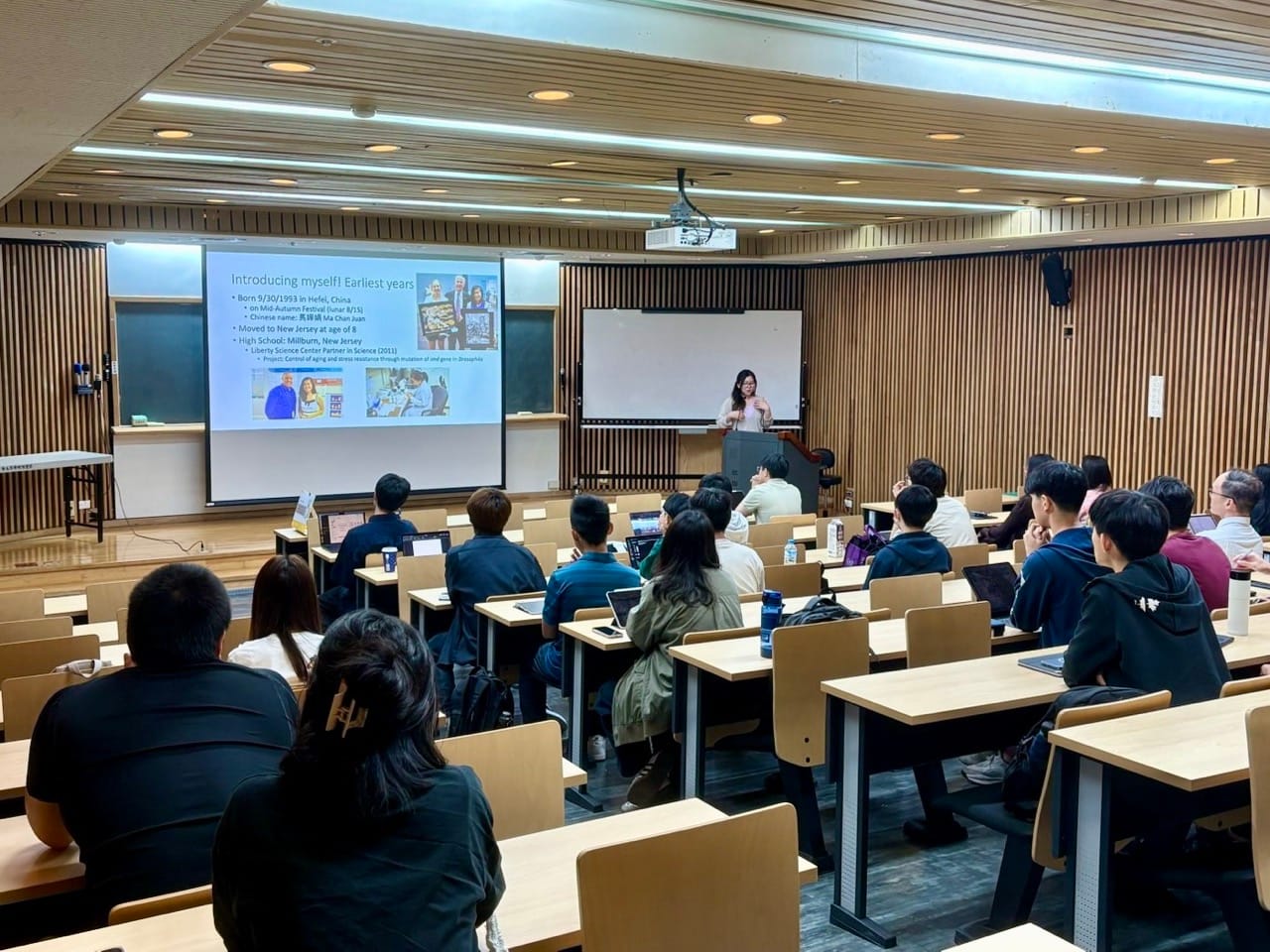
We sincerely thank Dr. Ma for generously sharing her experiences with the NTU Medical Student Association and for taking the time to provide feedback on this article.